0%
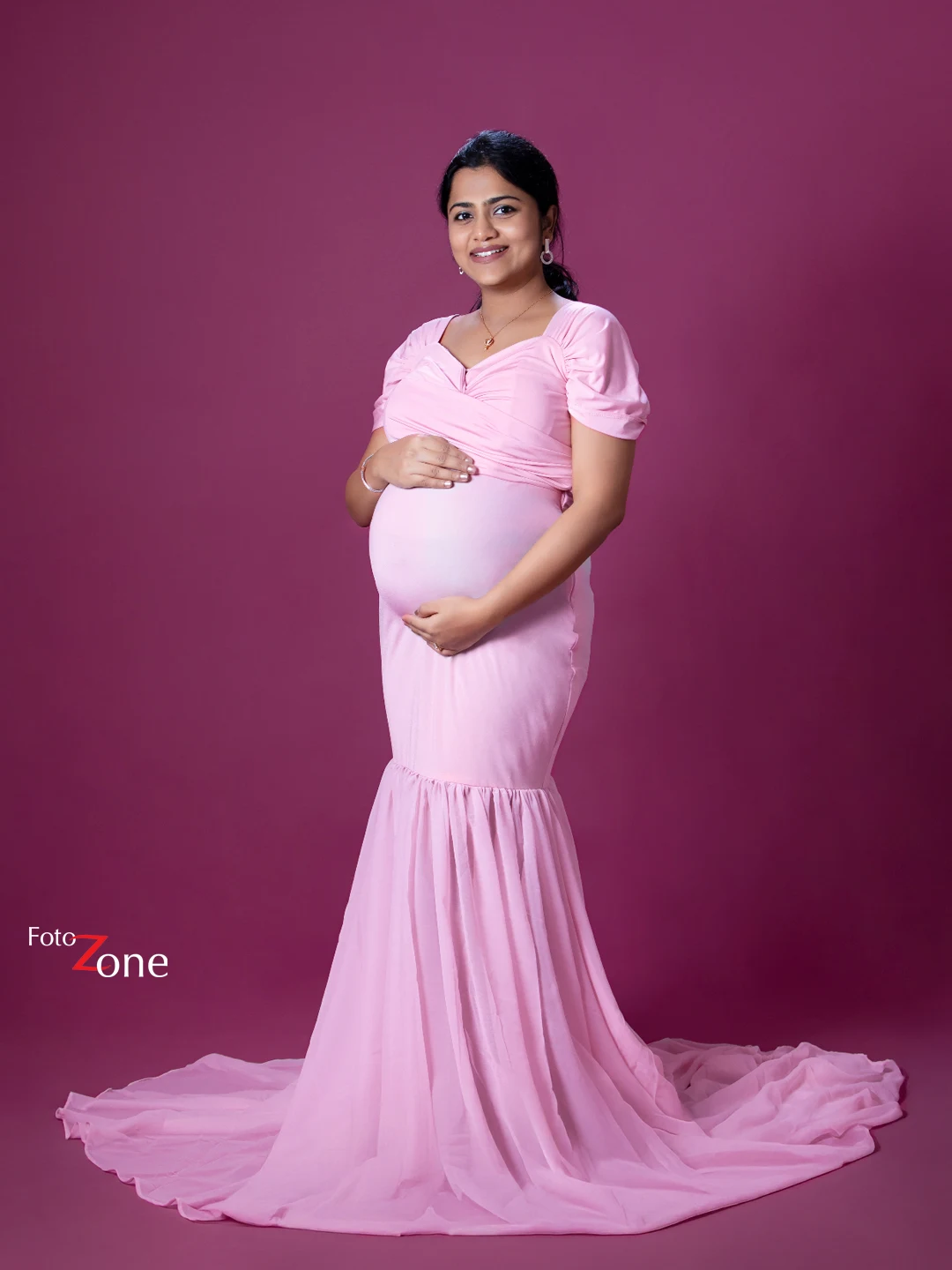
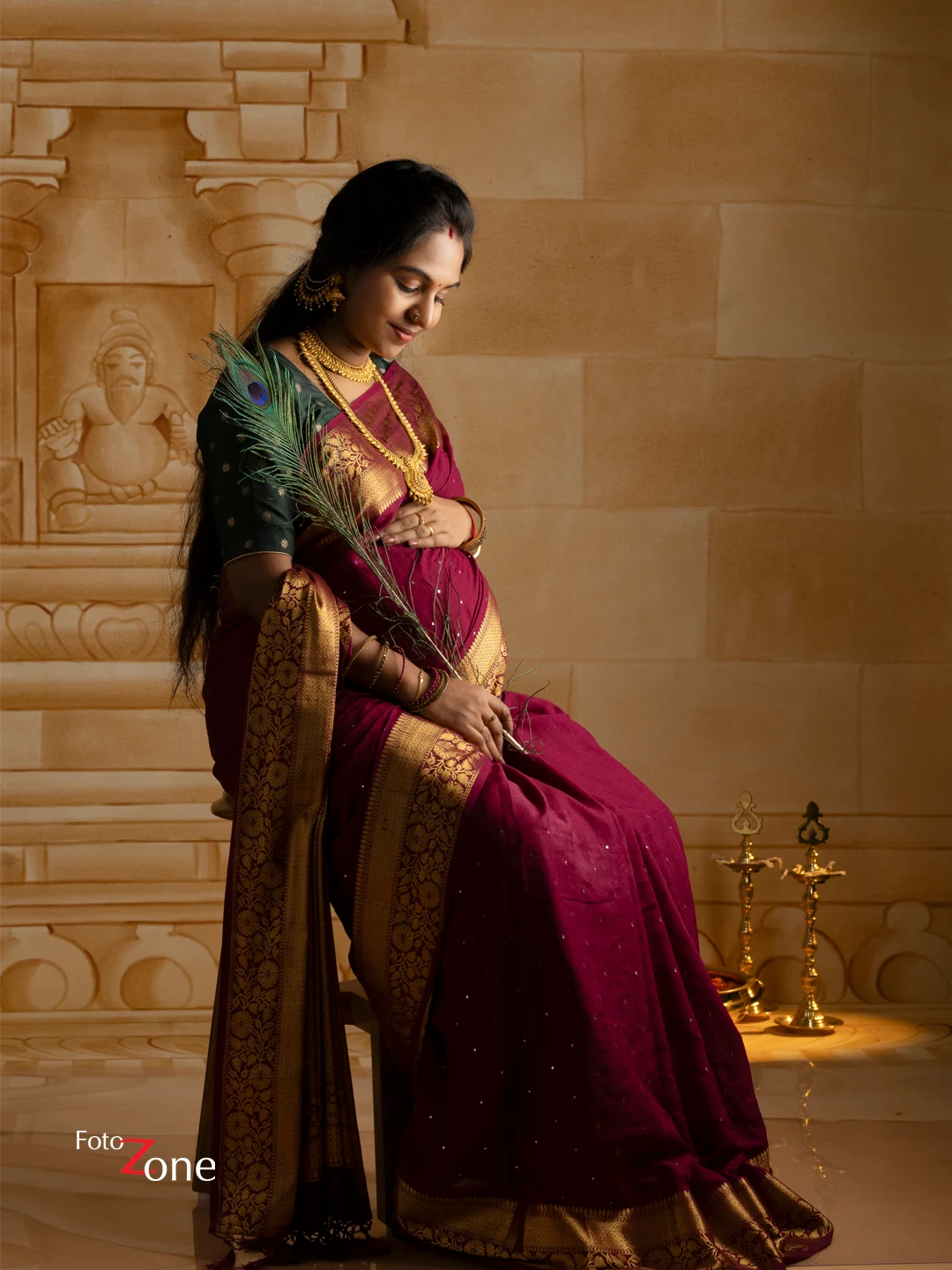
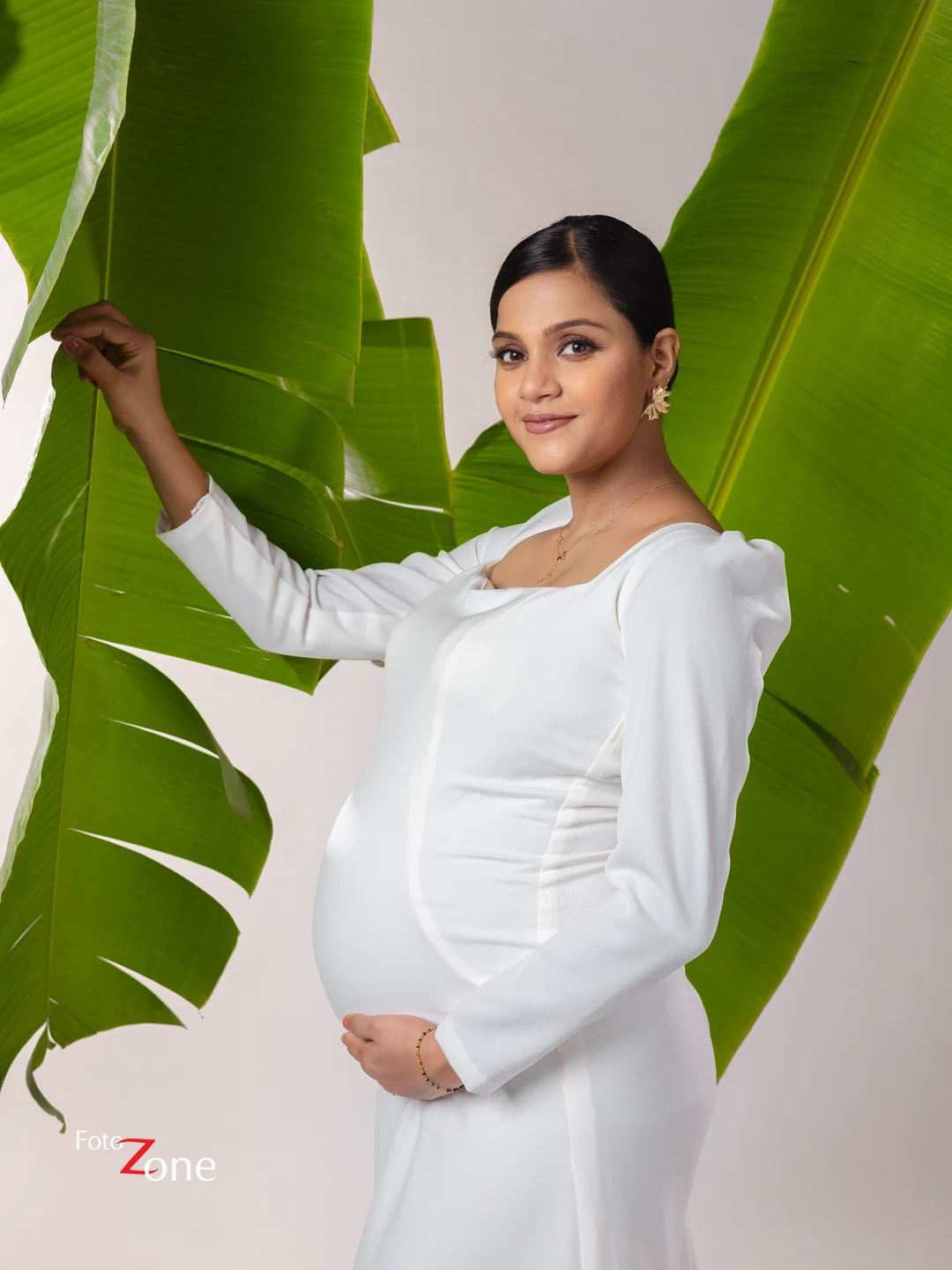
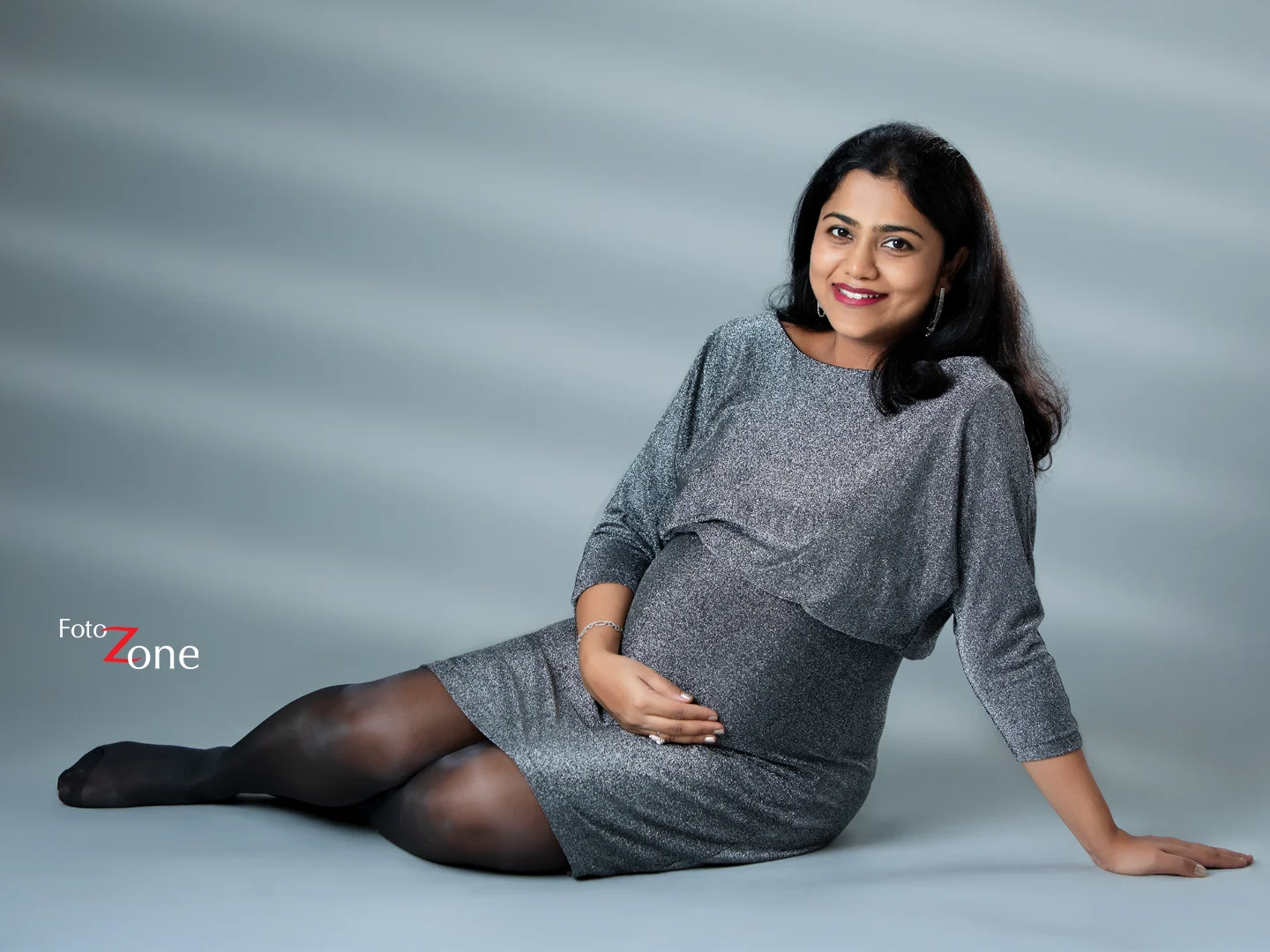
Place one hand gently below the bump and the other on the side or top. Turning the body slightly away from the camera can help create a beautiful profile while naturally highlighting the shape of the pregnancy.
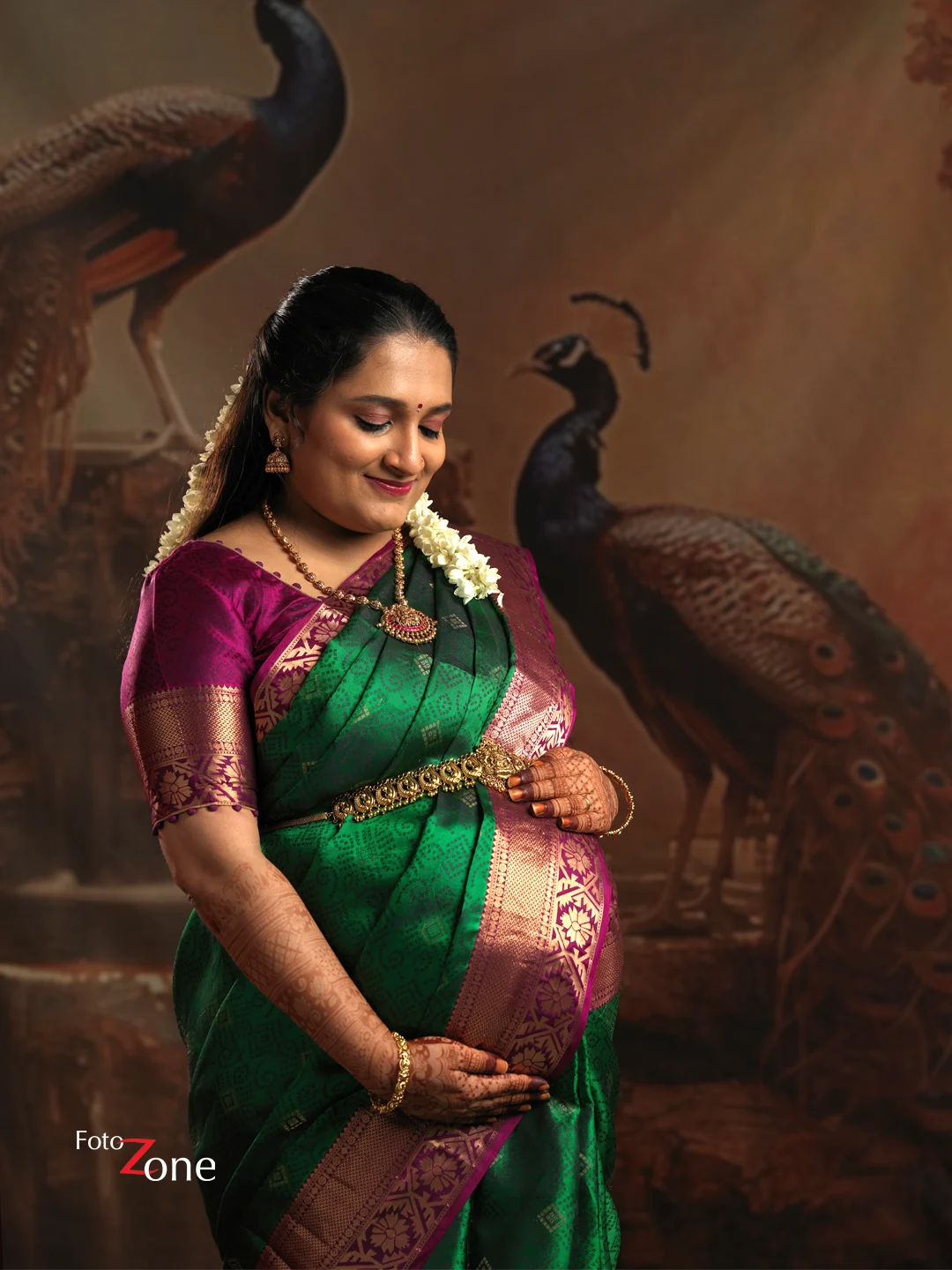
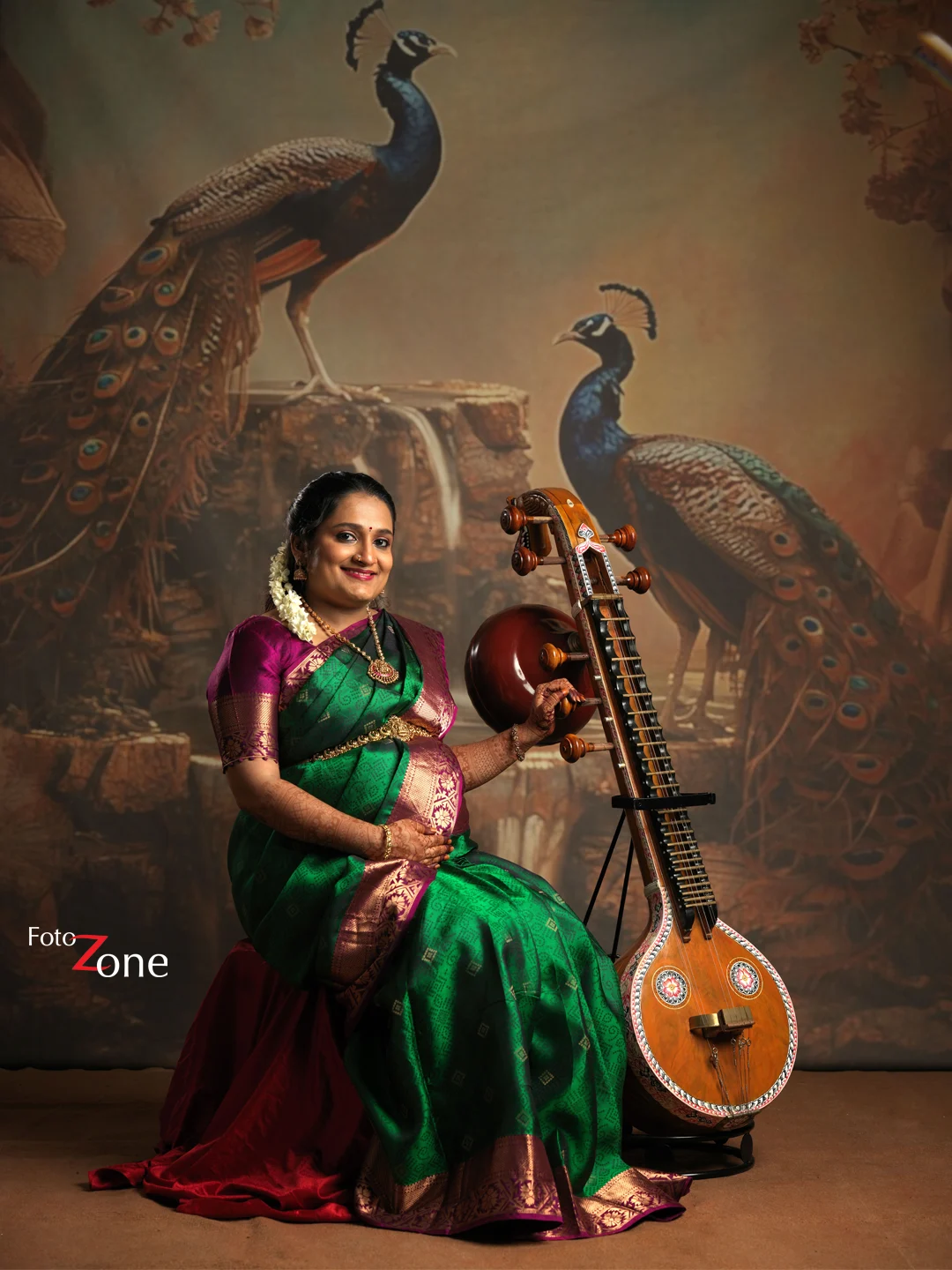
This pose works beautifully with maternity gowns, sarees, flowing dresses and elegant studio outfits.
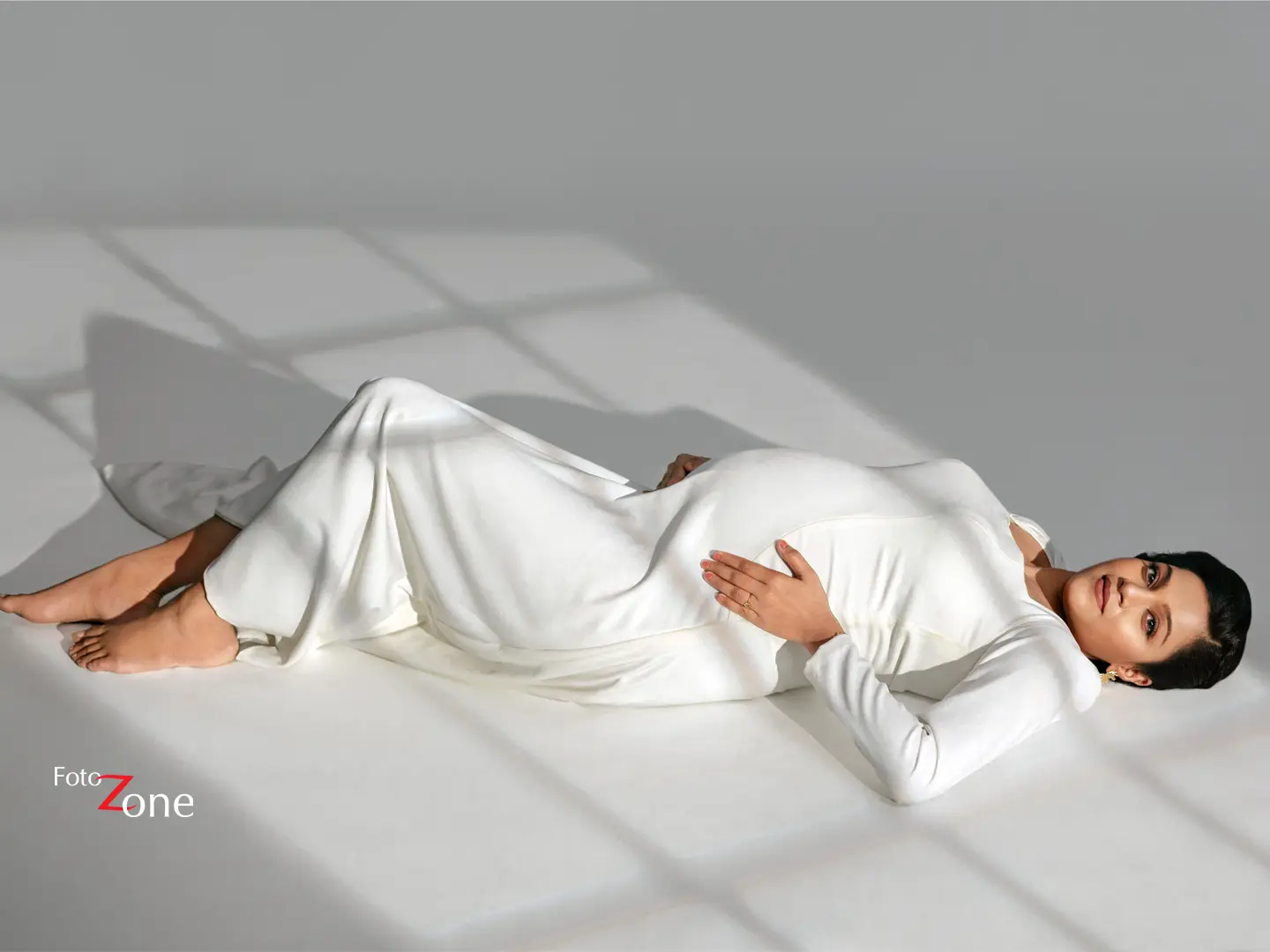
Soft window light, controlled studio lighting or warm outdoor light can create different moods—from elegant and sophisticated to soft and emotional.
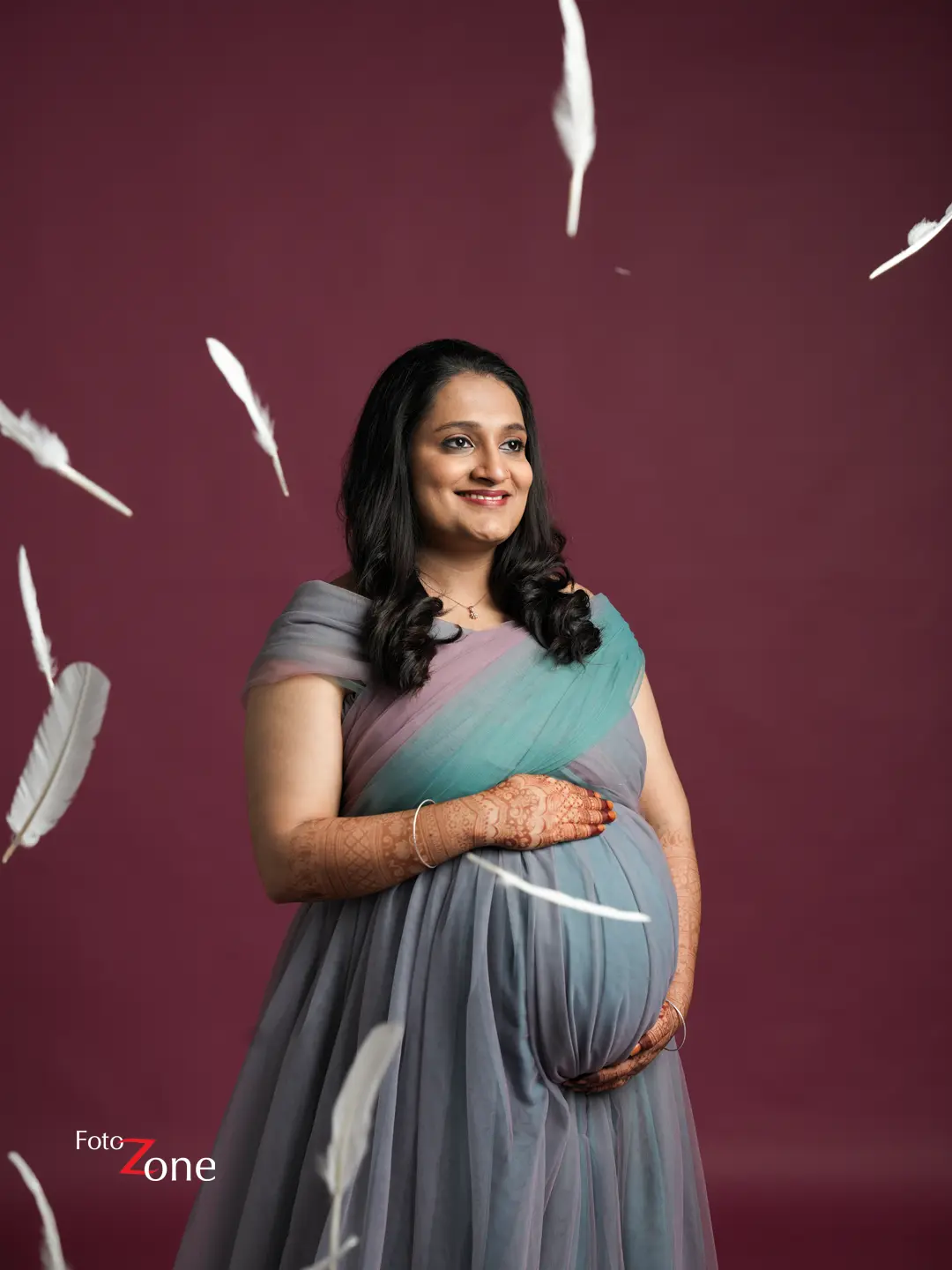
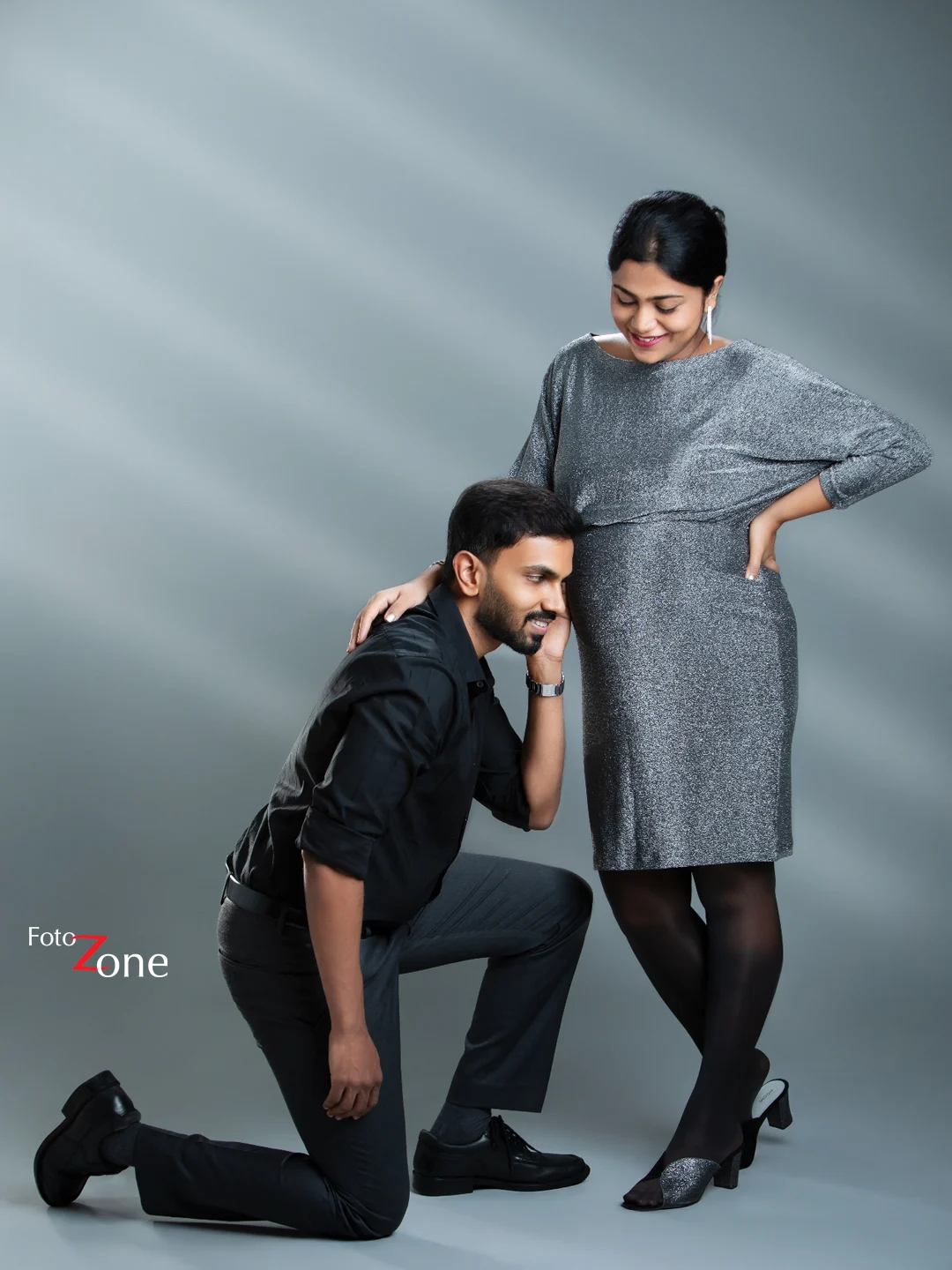
A gentle downward gaze can create a quiet and emotional maternity portrait.Rather than looking directly at the camera, look towards your baby bump and allow the expression to remain natural. This works particularly well for close-up portraits as well as full-length photographs.
The image can communicate the anticipation and emotional connection between a mother and her unborn baby without requiring an elaborate pose.
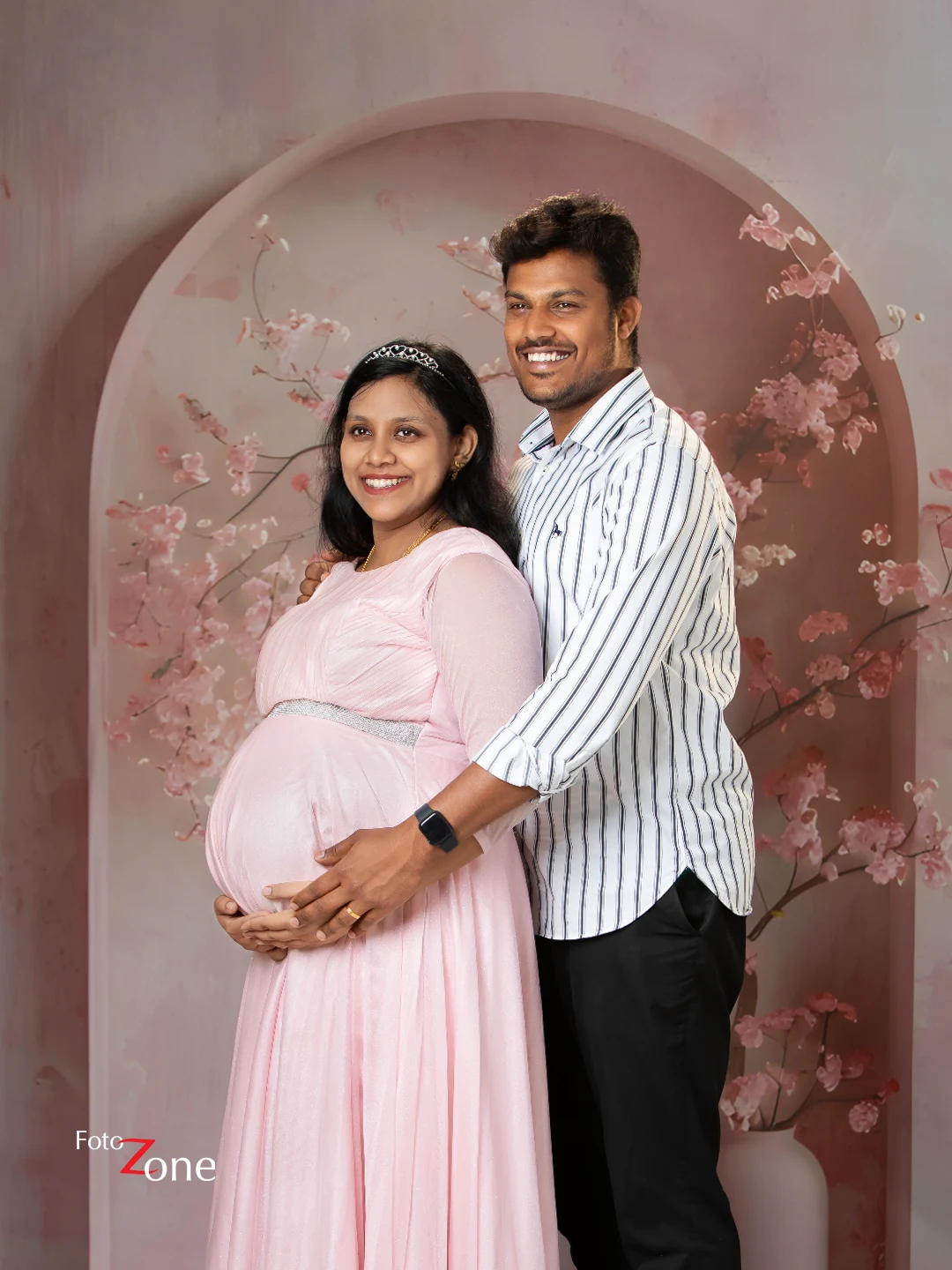
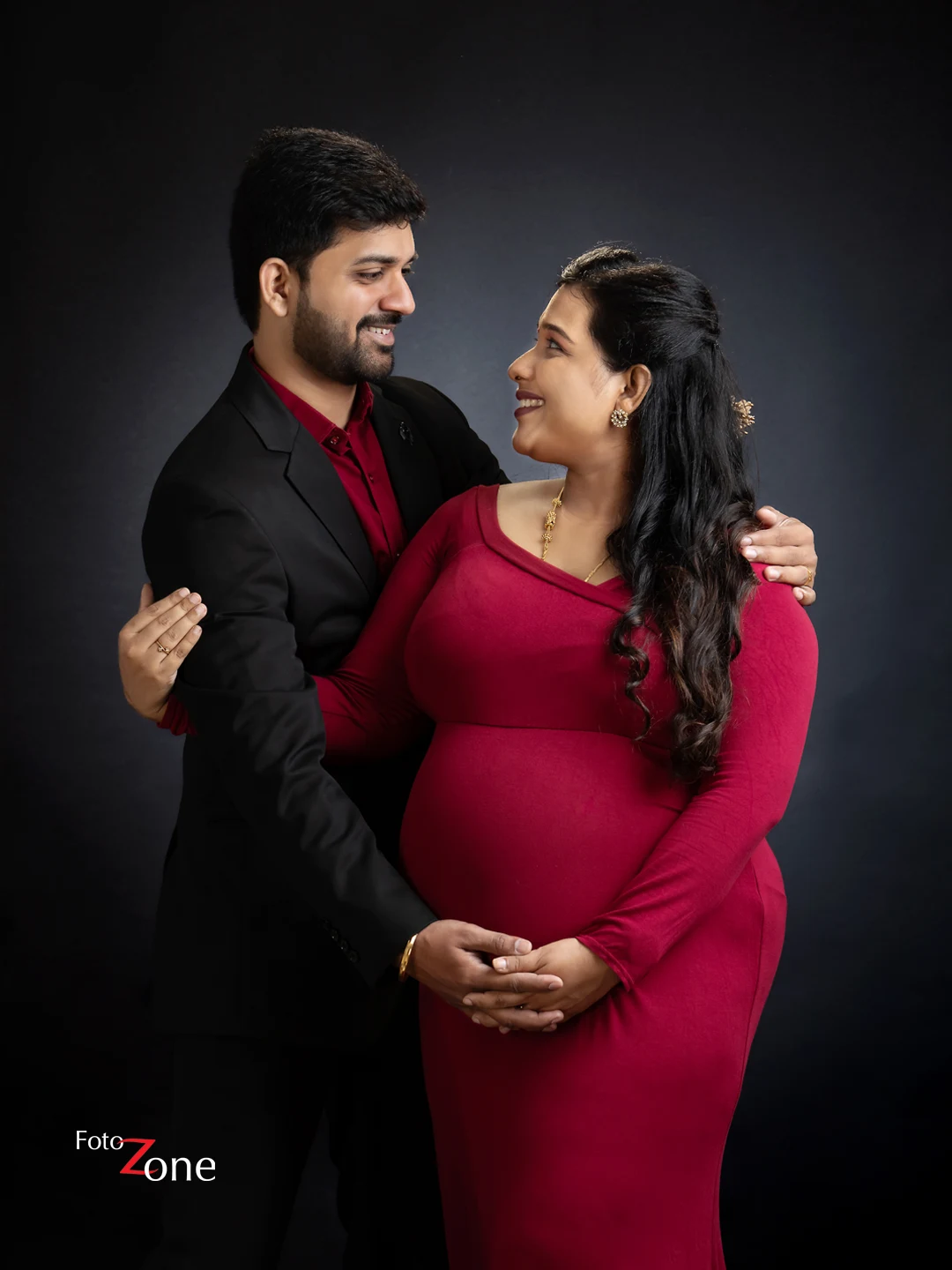
The partner can stand behind the mother and gently embrace her.
Their hands can rest naturally around the baby bump while the couple looks towards the camera or at each other.
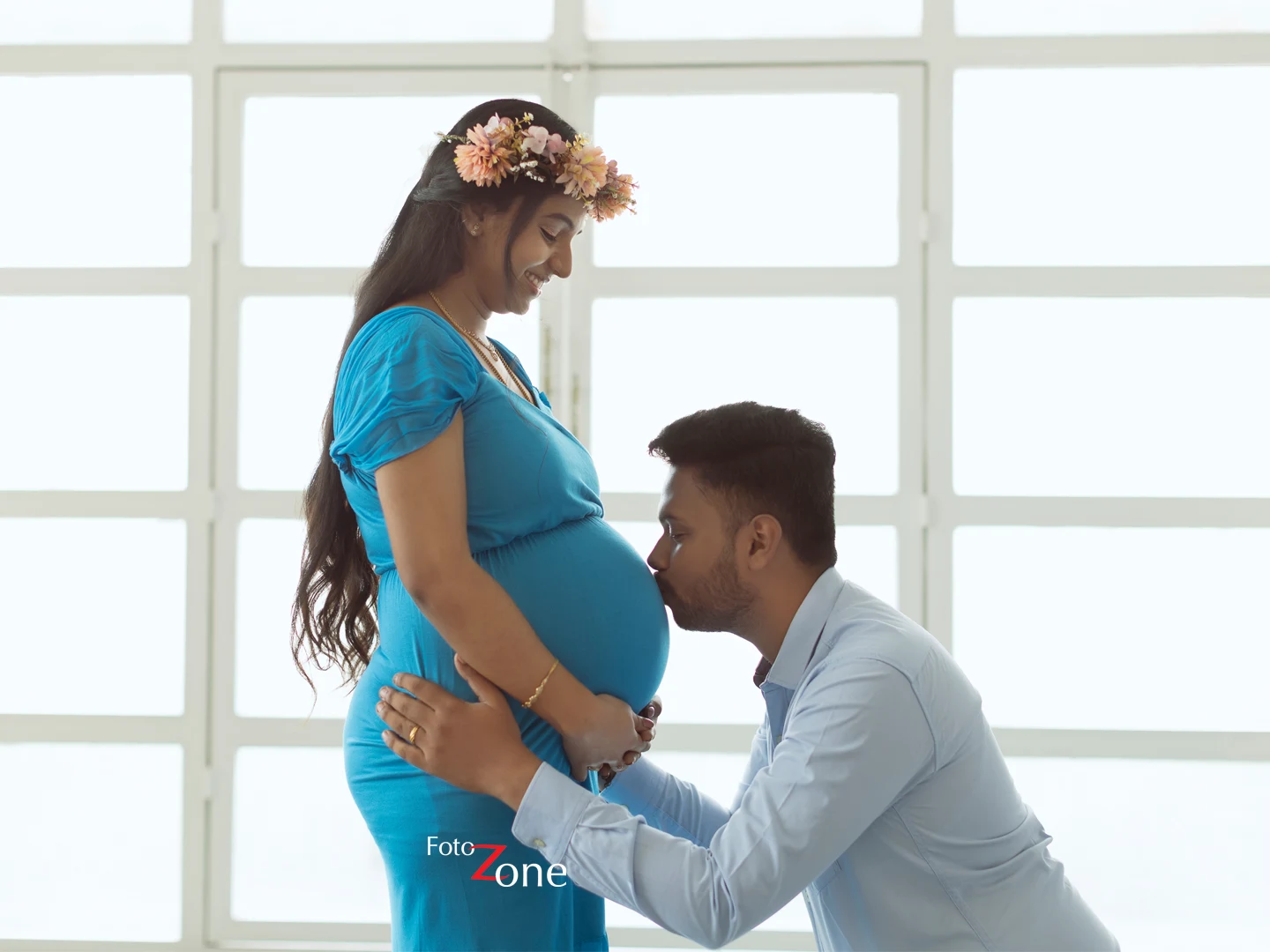
A gentle kiss on the baby bump can create one of the most emotional photographs of a maternity session.
The mother can look at her partner, look down towards the bump or simply close her eyes.
Try both a wider composition and a close-up photograph to tell the story in different ways.
Sometimes the simplest photographs can be the most powerful.
Place the mother’s and partner’s hands gently around the baby bump. The composition immediately draws attention to the pregnancy while representing the couple’s connection with their unborn child.
This can also work beautifully as a close-up detail photograph.
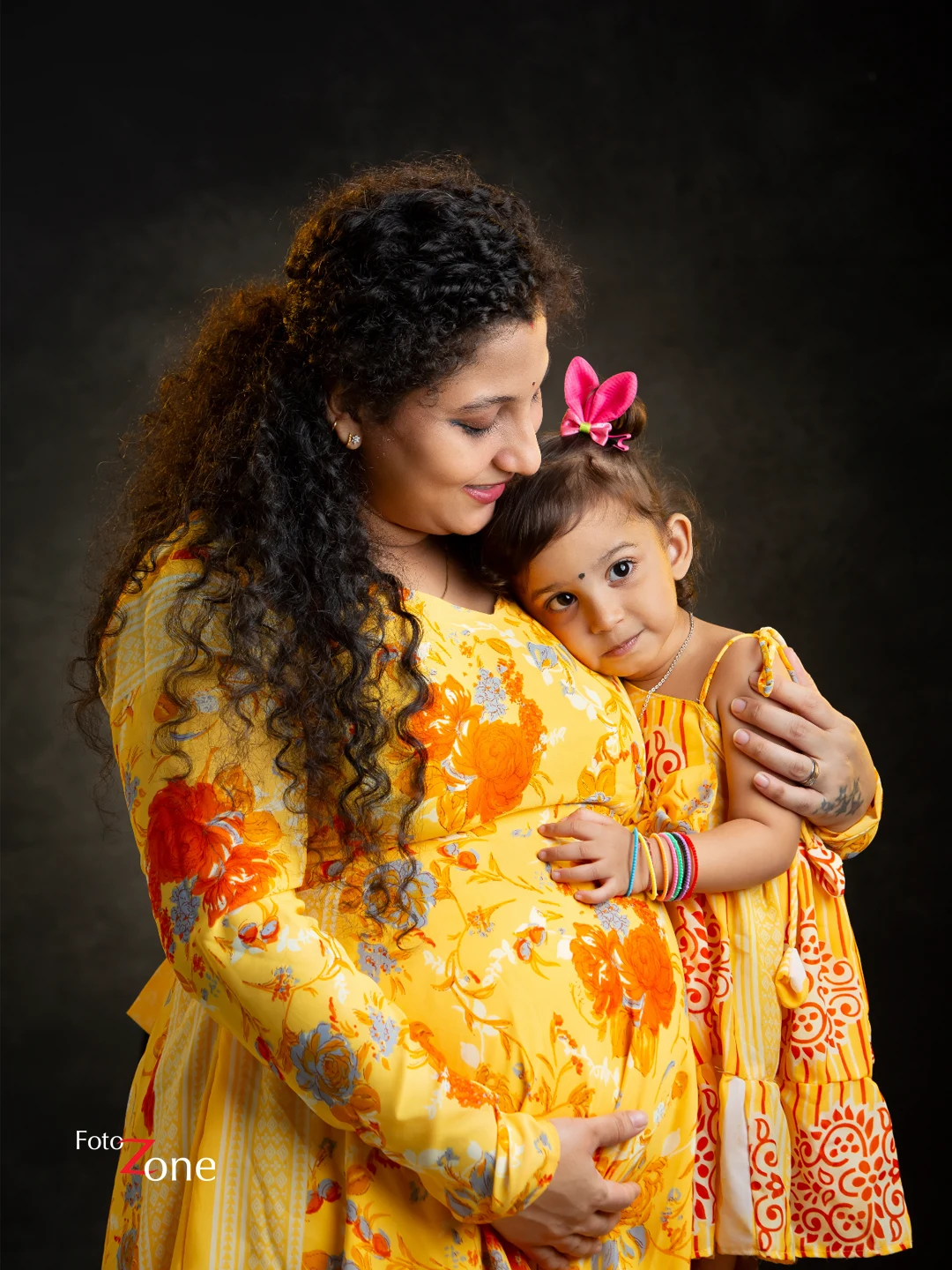
The parents and children can gently place their hands around the baby bump.
This works especially well as a close-up photograph and creates a simple visual representation of the growing family.
It is also a lovely photograph to include as part of a maternity album.
Instead of asking the entire family to stand still, try a walking portrait.
Hold hands and walk together while talking or interacting naturally. Children often feel more relaxed when they are allowed to move rather than being asked to maintain a pose.
These photographs can capture genuine smiles and spontaneous family interactions.
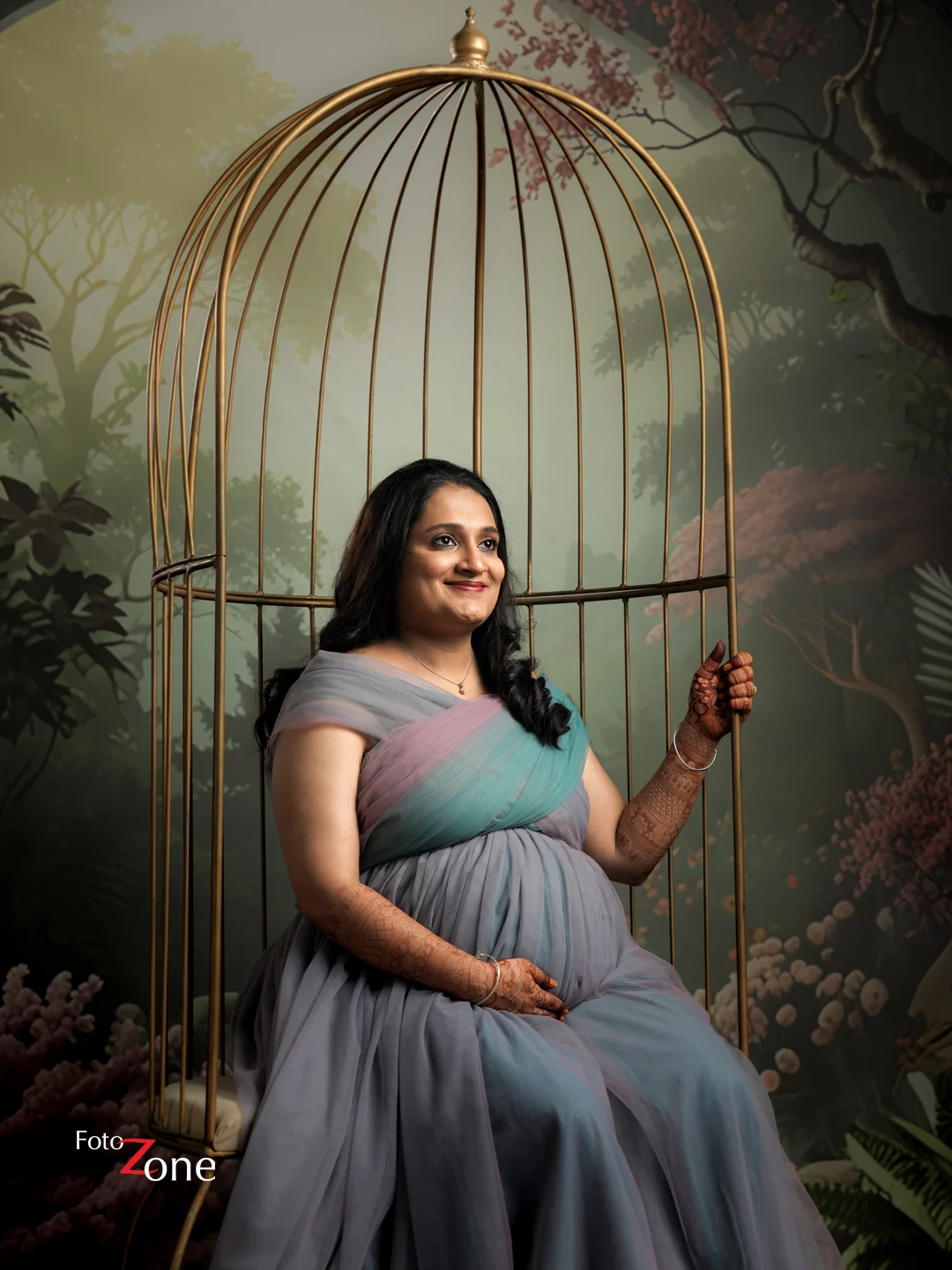
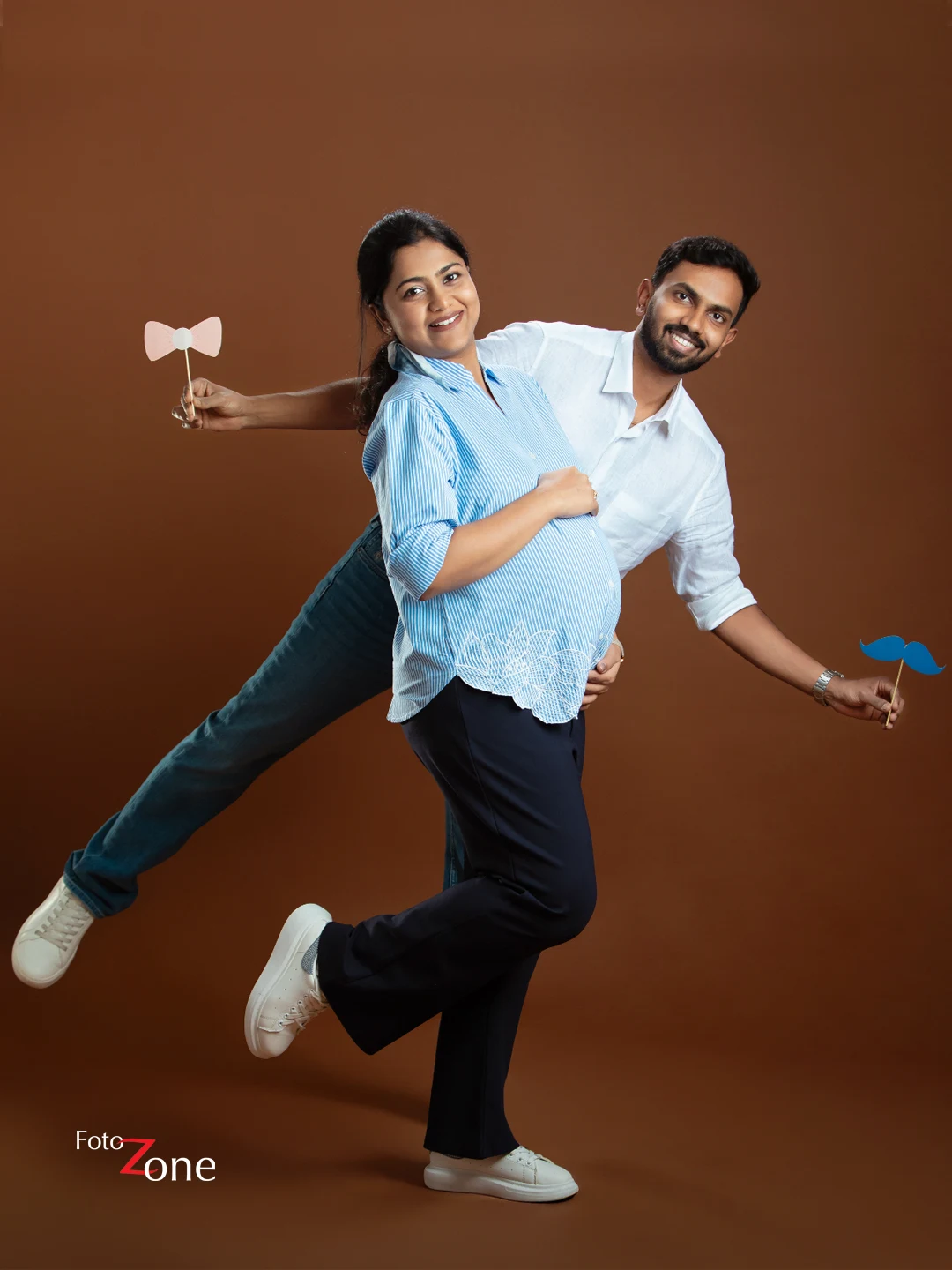
Your maternity session does not have to be limited to conventional poses. Creative elements can be introduced to make the photographs more personal.
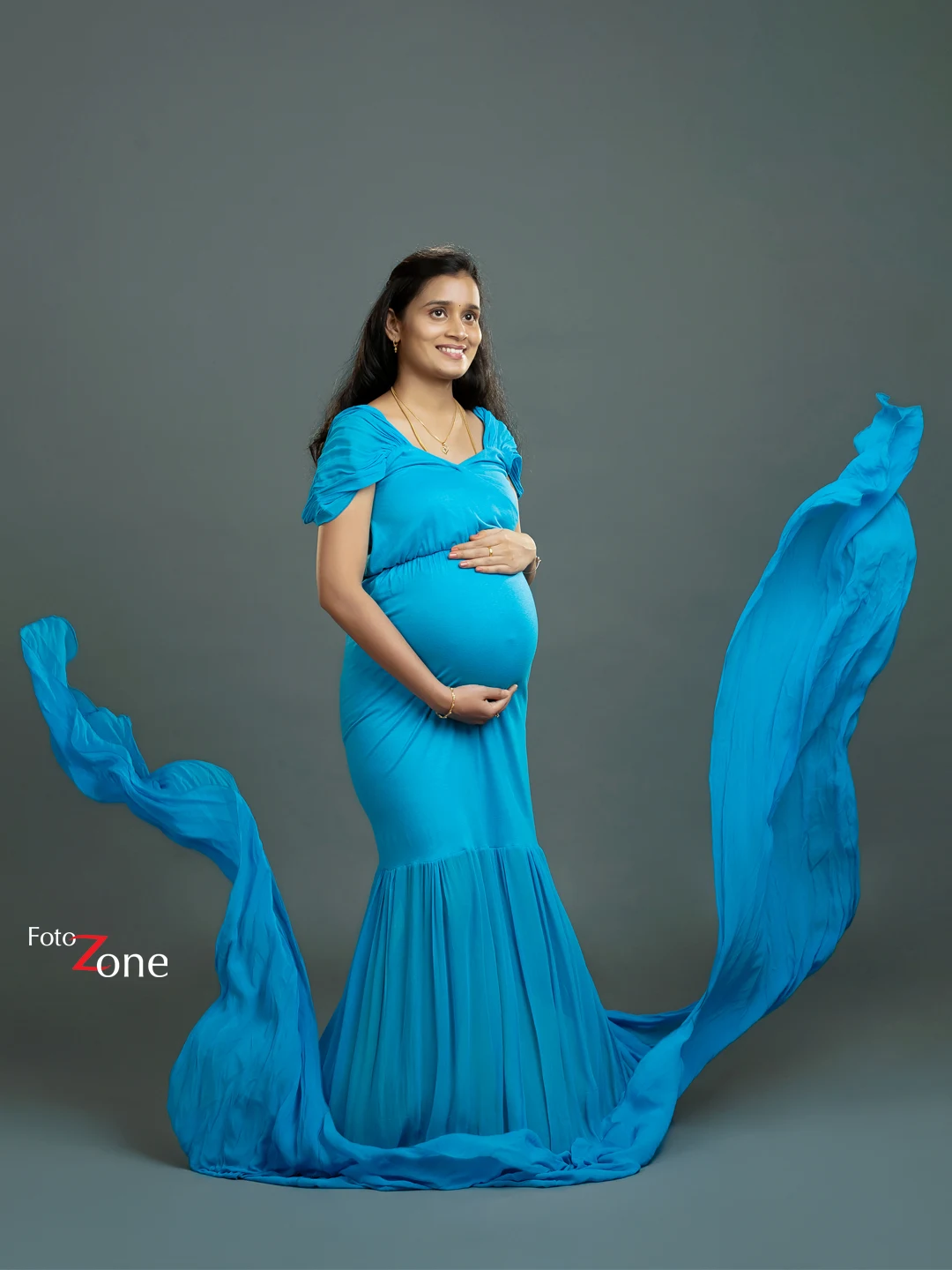
Flowing fabric can add movement and elegance to maternity portraits. The fabric can be incorporated into the composition to create a dramatic yet graceful photograph.
A simple outfit, minimal background and beautiful natural light can sometimes create a very sophisticated maternity photograph.
Floral Maternity Portraits
Flowers and floral elements can introduce colour and texture into the photograph.
The floral styling can be subtle or more elaborate depending on the concept and outfit.
Not every photograph needs to look posed.
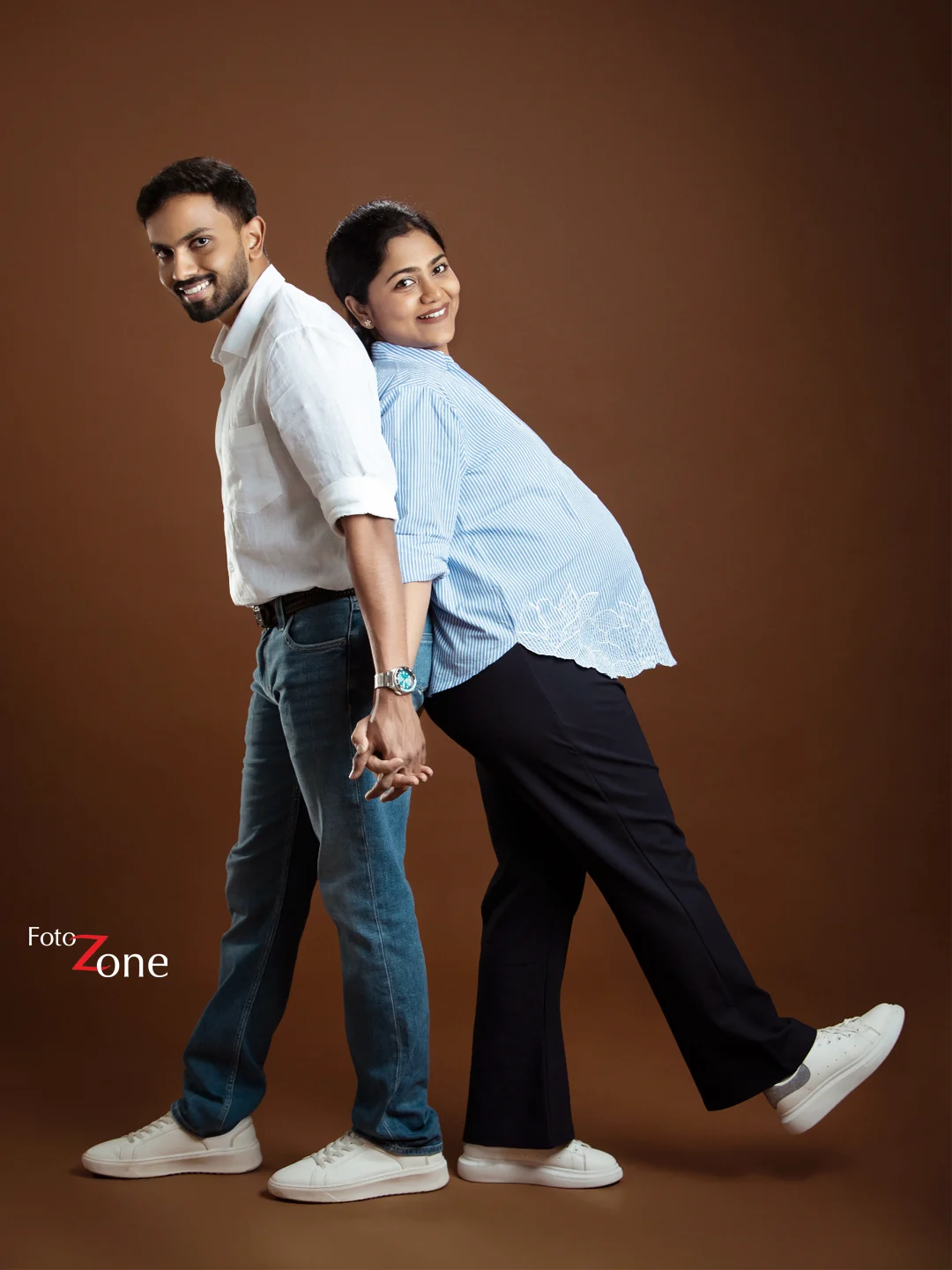
Simple interactions between the couple or family—walking, talking, holding hands or sharing a moment—can create photographs that feel natural and personal.
You don’t need to prepare dozens of complicated poses before your session.
A professional maternity photoshoot can create variety by making small changes to:
For example, one standing setup can produce a full-length portrait, a three-quarter portrait, a close-up and a side-profile photograph simply by changing the composition and expression.
This is why good planning and communication between the photographer and the client are important.
Your comfort should always come first.
You don’t need professional modelling experience. Relax your shoulders, maintain comfortable movements and let the photographer guide you.
If something feels uncomfortable, tell your photographer. There are many ways to create beautiful maternity portraits without holding an uncomfortable position.
Share your preferred outfits, concepts, locations and reference photographs before the session. This helps the photographer understand the kind of photographs you are looking for.
Preparing your outfits before the shoot gives you more time to concentrate on the photography itself.
If you have a partner or older children, consider including them. These photographs can become an important part of your family’s visual history.
However, every pregnancy is different. Your comfort, energy levels and advice from your healthcare provider should take priority when deciding when to schedule your session.
Planning the photoshoot in advance also gives you more time to select outfits, discuss concepts and prepare your family.
Popular maternity poses include the classic baby-bump portrait, side profile, looking down at the bump, partner embrace, forehead-to-forehead portrait and family interaction photographs. The most suitable poses depend on your comfort, outfit, body angle and preferred style.
Yes. Couple maternity portraits can include embraces, holding hands, forehead-to-forehead photographs, walking portraits and gentle interactions around the baby bump.
Absolutely. Including older children can create meaningful photographs showing their excitement about welcoming a new sibling.
Maternity gowns, sarees, flowing dresses and fitted outfits can all work well. Choose clothing that makes you comfortable and confident. If your partner or children are joining, consider coordinating colours and textures.
It is a good idea to plan your session in advance, particularly if you have specific outfit, studio or date preferences. The actual session is often scheduled around the seventh or eighth month, depending on individual comfort and circumstances.
Yes. Reference photographs can be very useful. Share your ideas with your photographer before the session so the lighting, outfits, backgrounds and compositions can be planned accordingly.
WhatsApp us